
Easy Get to Know Activities for Students for Good Friendships
Inside: Easy get to know activities for students to build friendships, ease anxiety, and create a kind, inclusive elementary classroom. Fabulous for back to school or anytime you need to build connections and trust.
Using engaging get to know activities for students at the beginning of the year can set the stage for a smooth and happy school year. Starting off by building strong friendships can reduce anxiety and help ensure your students have a positive experience.
The start of school can feel overwhelming for kids, especially if it’s all brand new. Giving them chances to connect early helps build confidence and makes coming to school something they look forward to.
More...
Teachers can use get to know activities for students to break the ice and encourage new friendships. Simple questions can help kids discover what they have in common and spark real friendships. Sometimes all it takes is one shared favorite snack or game to get the conversation rolling.
But making friends is just part of helping kids feel comfortable in a new situation. They also need to feel safe, included, and surrounded by kindness. That’s what builds a positive classroom culture where students look forward to coming to school each day.
Keep reading for practical ideas to break the ice, help students get to know each other, and foster kindness and empathy for an inclusive classroom community.
Get to Know Activities for Students - Kindergarten-2nd Grade
1. Get to Know Questions
There are lots of effective ways to help students connect, but one of the most direct strategies is providing them with some questions to ask someone to get to know them better.
Have students pair up and take turns asking questions. For more interaction, try small group conversations where everyone gets a chance to share. Encourage them to pay attention to classmates who share common interests and use these similarities to start building friendships.
Make Question Cards
Start by creating a set of question cards with simple wording and visual cues. Use pictures and symbols with short sentences to make the questions easy for young students to read.
For example, a card with a picture of a dog and the words "Do you have a pet?" or a card with a soccer ball and the question "Do you like to play outside?" You can involve the students by letting them draw pictures for the questions.
Pair Up or Small Groups
Have students pair up and take turns drawing a card and asking their partner the question. After answering, they switch roles. This can be done multiple times with different partners to maximize interactions. Alternatively, you can organize the students into small groups to allow for more varied conversations and interactions.
Class Participation
To involve the whole class, try a standing activity. One student draws a question card and reads it aloud to the class. For example, a card with a picture of a dog and the question "Do you have a pet?" If the answer is yes, those students stand up. Students can take note of anyone who shares similar interests or experiences.
Follow-Up Questions
Encourage students to ask follow-up questions. If someone stands up for having a dog, they can ask, "What kind of dog do you have?" or "What is your dog's name?" This deepens the conversation and helps students learn more about each other.
Reflect and Share
After the activity, gather the students in a circle and have them share one new thing they learned about a classmate. This reflection helps reinforce the connections made during the activity and allows students to practice listening and speaking skills.
Incorporating these get to know activities for students, you can create a classroom environment where students feel connected and included.
Here are some example questions:
2. Getting to Know You Paper Hats
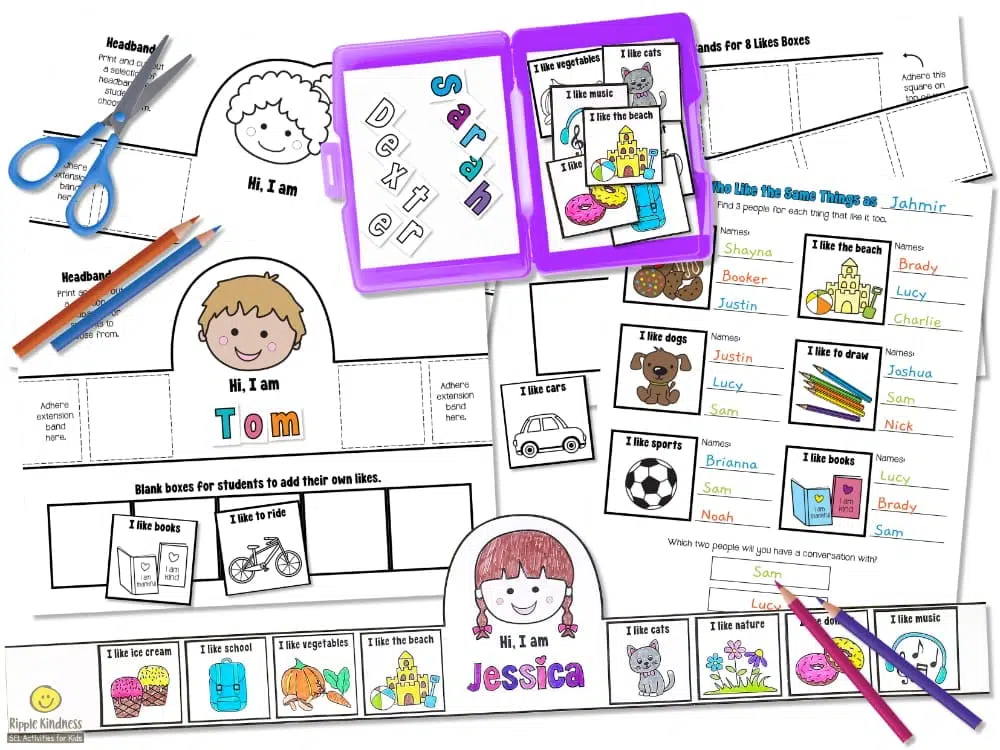
This find a friend activity is so much fun for kindergarten, 1st, and 2nd graders. The hats or headbands are a great way to break the ice and help your students connect to create a warm sense of belonging in your class.
Kids get to choose pictures of things they love and glue them to a template to make a cool headband. They wear their paper hats and walk around the room to find classmates who share their interests. It's a fun way for them to feel included and confident at school.
The activity offers differentiated options to cater to various ages and skill levels. You can choose for students to color a template or use pre-colored printables.
An extension activity for older students involves actively listening and engaging with peers. They identify common interests and decide who they'd like to have a conversation with. This engaging approach can help students form friendship groups.
This activity isn't just about having fun. It also builds important skills like cutting, coloring, and chatting with classmates.
This Friendship Hats Kids Includes:
Why It Works:
3. Kindness Bookmarks for Younger Students
These kindness bookmarks are a simplified version of my popular resource for older students. Designed especially for kindergarten, 1st, and 2nd graders, these cards have short, uplifting phrases and easy-to-color graphics just right for little hands and growing hearts.
As students color each bookmark, they’re not just practicing fine motor skills; they’re absorbing kind messages and reinforcing the positive behavior you model in class. Repeating these affirmations helps build a growth mindset and encourages thoughtful, caring interactions.
Teachers love using these bookmarks as a calm-down activity, a kindness reminder, or a take-home gift that keeps the message going beyond the classroom.
This Kindness Craft Activity Includes:
Why It Works:

4. Kindness Workbook - Printed Book or Digital Option
Support social-emotional learning with this engaging workbook designed for classrooms and homeschooling. Whether you choose the printed book or the digital PDF, kids will build kindness, empathy, and important developmental skills through playful, meaningful activities.
Parents love using the printed book to spend quality time with their child while teaching positive values. Teachers can download printable PDFs to use in class or send home with students. Either way, it’s a beautiful way to nurture connection and character.
This SEL packet includes coloring pages, tracing, bookmarks, matching games, word mapping, hidden picture puzzles, bucket filling, and more. Activities are differentiated to suit preschool, kindergarten, and 1st-grade students to help every child feel successful and seen.
Students will be excited to become champions of kindness, whether they’re completing challenges with classmates or family. There’s even a community activity to show how easily kindness can ripple into the world around them.
For Teachers - Printable Classroom Resource (TPT)
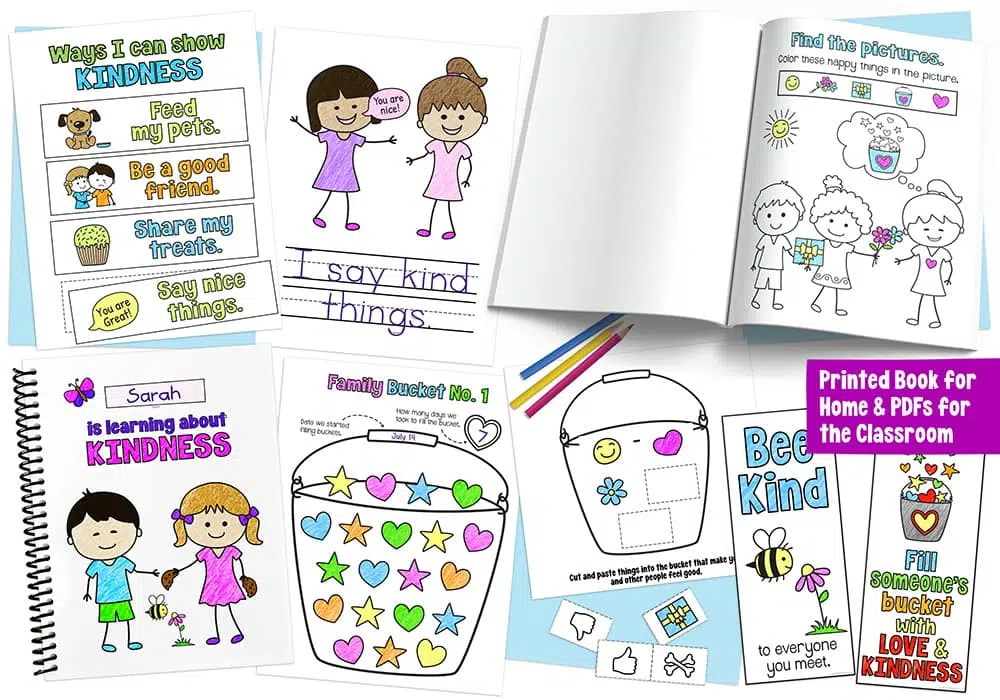
The Printable Classroom Resource Includes:
Why It Works:
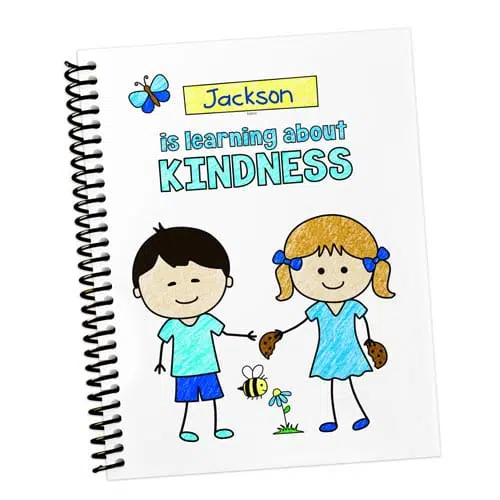
For Parents & Homeschoolers - Printed Book (Amazon)
This version is perfect for building a growth mindset while spending quality time together. Families love how it turns everyday moments into meaningful learning, and kids adore joining thousands of others in the global kindness challenge.
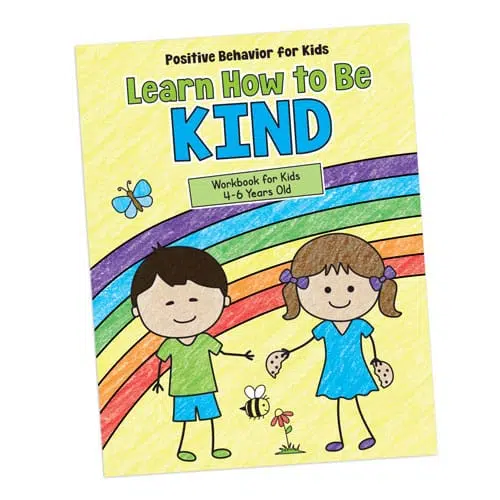
This Workbook Includes:
5. Digital Friendship Activity with Short Story
This no-prep SEL activity helps 1st and 2nd graders explore kindness and friendship through an engaging digital story. Students follow Tessa, a new student navigating her first day at school, and learn how empathy and inclusion can turn things around.
With interactive slides, comprehension questions, and creative tasks, kids build reading, writing, and digital skills while reflecting on what it means to be a good friend. It’s perfect for classroom use or remote learning, and includes printable worksheets to extend the lesson offline.
Students enjoy reading along with the audio in this animated cartoon story. They read about a new kid named Tessa who faces unkind classmates on her first day of school. They learn to empathize with Tessa and understand her feelings.
There are slides with self-checking comprehension questions after the story. Students enjoy instant feedback about their understanding of kindness and being a good friend.
The slides help students practice reading, writing, and typing as they answer questions. Kids type into fields and drag statements into the correct boxes to improve digital skills. They also get to create a colorful poster as they learn ways to treat others with kindness.
After completing the tasks, there is a 12-piece digital jigsaw puzzle to solve.
There is also a printable component with friendship worksheets where kids choose how they'll be a good friend.

This Digital Friendship Activity Includes:
Why It Works:
Get to Know Activities for Students - 3rd-6th Grade
1. Get to Know You Paper Fortune Teller
Kick off the year with a classroom favorite that kids can’t wait to get their hands on! These magical friendship fortune tellers (aka cootie catchers) turn introductions into a game of discovery, laughter, and connection.
Students color, cut, and fold their own fortune teller, then use it to ask getting to know you questions that spark meaningful conversations. Whether working with a partner or in small groups, kids love finding out who they have the most in common with and maybe even discovering a future best friend!

There are ready-made paper fortune teller games and editable templates available in both print and digital formats. Teachers can personalize the questions in Google Slides™ to suit their grade level or classroom needs.
After playing, older students can record answers, reflect on shared interests, and dive deeper using worksheet prompts. It’s a hands-on way to build friendships, practice social skills, and create a warm, inclusive classroom culture from day one.

The Friendship Fortune Teller Includes:
Why It Works:
2. Getting to Know You Booklet
This DIY friendship booklet helps students open up and share who they are in a fun, low-pressure way. It’s perfect for those first days of school when kids are still finding their footing and their friends.
Kids fill out, color, and assemble their own "About Me" booklet with pages about their family, pets, favorites, goals, and character traits. There’s even a section where they reflect on what makes a good friend and what they bring to a friendship.
Once booklets are complete, classmates read each other’s pages and record answers to friendship questions on a worksheet. Later, they pair up to ask follow-up questions and explore shared interests. It’s a gentle, meaningful way to help kids connect and feel seen.

This Getting to Know You Booklet Includes:
Why It Works:
3. Getting to Know You Conversation Starter Questions
Build friendships with fun classroom ice breaker activities with questions for classmates.
This activity is fun because it includes a digital spinner to pick a random number. Kids love to take turns to reveal questions for students to answer. They can also read it out when it's their turn.
This is a great activity for circle time. Morning meeting discussion questions can encourage even the shyest children to share. It gives everyone a chance to learn about classmates with similar interests.
14 preloaded questions give kids insights into their peers' character and preferences. Questions can be replaced in Google Slides™ with any of the 44 suggestions provided. Otherwise, add personalized questions if there are specific friendship challenges to address.
Extension activities for 4th, 5th, and 6th graders are included. Students gather data, record similarities, and determine which classmates have more in common with them. They can use the data to create questionnaires, as writing prompts, to plot graphs and charts, or to identify those they want to learn more about.

This Digital Conversation Starter Activity Includes:
Why It Works:
4. Unique Friendship Board Game
This unique friendship board game brings a positive vibe to your classroom by turning relationship-building into a fun, team-based adventure. Unlike traditional games, students don’t compete; they collaborate, connect, and support each other every step of the way.
Each turn involves rolling the dice, moving across the board, reading a question card, or completing a challenge from the cube. Everyone participates, no matter whose turn it is, so there’s never any downtime, just constant connection and laughter.
One of the standout activities is the Friendship Quilt. Students write kind traits and messages on quilt squares, then assemble them into a beautiful bulletin board that celebrates the qualities of a good friend. It’s a visual reminder of the classroom culture you’re building together.
As a bonus, conflict cards help older students navigate friendship challenges with empathy and respect, making this game a helpful tool all year long.
Students learn to show respect, get to know each other, and bond by supporting their teammates. It means everyone's a winner as each student plays to "win" a friendship or two!
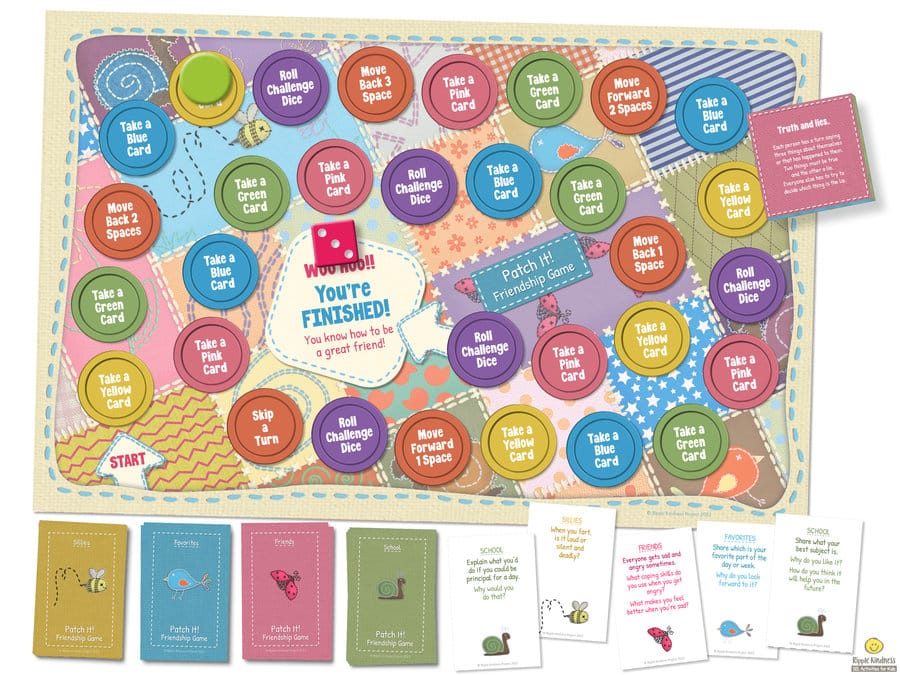
This Unique Friendship Board Game Includes:
Why It Works:
5. Kindness Quilt
The kindness quilt bulletin board is a classroom favorite for a reason. More than just a craft, it’s a class celebration of empathy, inclusion, and the power of kind words.
Each student contributes a quilt square featuring a kind act, thoughtful message, or positive trait. As the squares come together, they form a vibrant visual reminder that kindness is part of your classroom’s foundation.
Students feel proud to see their work displayed in such a positive, meaningful way, and teachers love how it brings warmth and connection to their learning space.
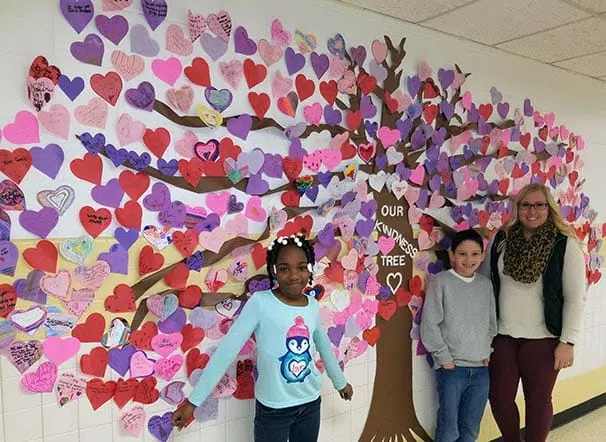
Kindness quilt submitted by Karen Caswell, fourth grade teacher at Coomera Rivers State School
This editable kit includes a mix of ready-made and customizable quilt squares so students can color, write, or type their own kindness messages. Whether you're celebrating Kindness Week or simply reinforcing positive behavior, this activity helps students reflect on what kindness means and how they can show it every day.
The finished quilt makes a stunning bulletin board or hallway display. It’s a visual celebration of empathy, inclusion, and the caring classroom culture you’re building together and a fabulous follow-up to the Friendship Board Game.
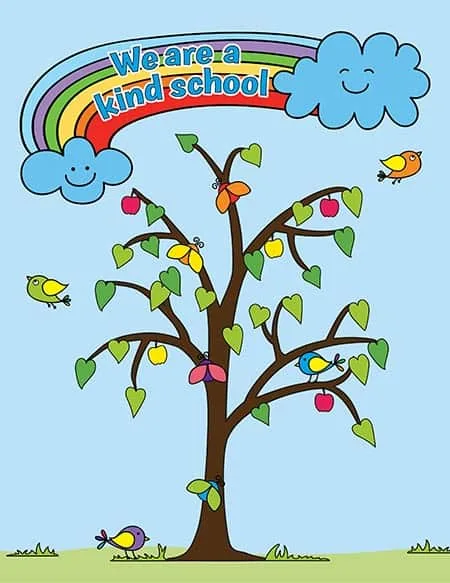
This Gorgeous Collaborative Kindness Bulletin Board Includes:
Why It Works:
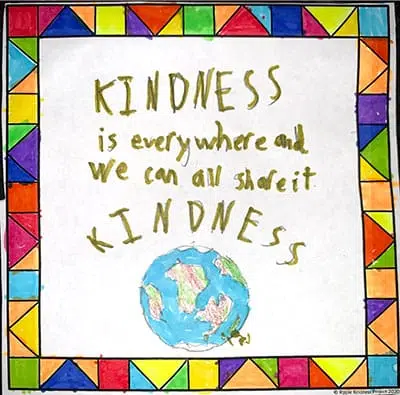
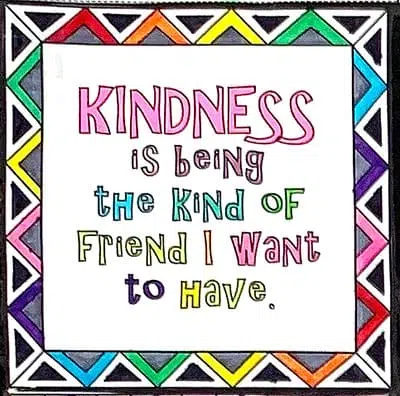
Get to know activities for students are some of my favorite ways to build connections in the classroom. Back to school is the obvious time to use them as they help set the tone, shape classroom dynamics, and prevent issues before they start. But don’t think of them only at the beginning of the year. They’re also a great friendship activity for students to bond, especially when there’s tension in the room or a new classmate joins.
I'd love to hear what getting to know you activities for elementary students have worked well in your classroom. Share your favorites HERE.
You may also like...

AUTHOR: Lisa Currie - Ripple Kindness Project
For over a decade, I've focused on promoting kindness and Social and Emotional Learning (SEL) in elementary classrooms. Through hands-on experience supporting students, I've seen how empathy and respect are vital for creating harmonious, inclusive environments. I'm passionate about helping students understand the impact of their emotions and actions on their relationships. I believe kindness is fundamental to fostering self-confidence and happiness while building inclusive, safe classroom communities that discourage bullying and exclusion.