
Nails In The Fence Story: SEL Lesson on Anger Management and Coping Skills
INSIDE: Read the complete Nails in the Fence story (often called the holes in the fence story) to learn a powerful lesson about the permanent scars left by anger. Perfect for SEL, it teaches emotional regulation, empathy, and the value of repairing harm, giving teachers a relatable tool for self-reflection and to guide kinder choices.
The Nails in the Fence story is a powerful short SEL lesson for teaching kids about managing anger and the lasting impact of their words. It’s a gentle reminder for teachers, parents, and mentors that while kind words can lift someone up, angry words can leave emotional scars.
Teachers know the power of a kind word, but this story shows how quickly harsh ones can hurt. It’s a great fit for classroom SEL to help students learn to pause, take a breath, and choose empathy over anger.
Though I'm unable to find the author of the story of the angry boy and the bag of nails, it imparts a profound lesson. It’s short, simple, and meaningful, and shows kids that once words are spoken, the damage may not be easily repaired.
More...
Key Takeaways from the Nails in the Fence Story
- Model emotional regulation: Use visual metaphors like the fence to help students grasp the lasting impact of angry words.
- Teach repair and reflection: Guide kids to recognize harm and practice meaningful apologies, not just “sorry.”
- Normalize big feelings: Reinforce that anger is valid, but actions must be managed with care and empathy.
- Use SEL tools consistently: Integrate calm-down corners, breathing exercises, and emotion check-ins to build self-regulation skills.
- Highlight long-term effects: Show how emotional scars linger, even after apologies.
- Balance empathy with accountability: Encourage students to take ownership of their actions while feeling supported in their growth.
- Connect to classroom culture: Use this story to spark discussions about kindness, respect, and the ripple effect of our words.
DISCLAIMER: This post includes affiliate links. A small percentage of each sale from these links helps me provide tips and freebies for parents and teachers.
The Meaning of the Holes in the Fence Story
The nails in the fence story (often remembered as the holes in the fence story) is a powerful visual metaphor for emotional regulation. It teaches children that while anger is a valid emotion, the words we speak in the heat of the moment can leave permanent scars that an apology cannot fully erase. As the father in the story says: 'The fence will never be the same.'
Nails in the Fence Video by 1x247 Story Seeds
The Nails in the Fence Story
There once was a little boy who had a bad temper. His father gave him a bag of nails and told him that every time he lost his temper, he must hammer a nail into the backyard fence.
The first day, the boy hammered 37 nails into the fence. Over the next few weeks, as he learned to control his anger, the number of nails hammered daily gradually decreased. He discovered it was easier to hold his temper than to drive those nails into the fence.
Finally, the day came when the boy didn't lose his temper at all. He told his father about it and the father suggested that the boy now pull out one nail for each day that he was able to hold his temper. The days passed, and the young boy was finally able to tell his father that every nail had been removed.
The father took his son by the hand and led him to the fence. He said, "You have done well, my son, but look at the holes in the fence. The fence will never be the same. When you say things in anger, they leave a scar just like this one. You can put a knife in a man and draw it out. It won't matter how many times you say I'm sorry, the wound is still there."
The little boy then understood how powerful his words were. He looked up at his father and said, "I hope you can forgive me father for the holes I put in you."
"Of course, I can," said the father. - Author Unknown
From Scars to Support: A Classroom Mission
The 'holes in the fence' are a visual reminder that some damage can't be undone. The best way to prevent these scars is to empower your students to look for the good in others before they react in anger.
My Compliment Bookmarks 'Secret Mission' is a teacher favorite because it turns classmates into 'heart protectors.' Instead of leaving holes, your students will leave behind beautiful notes acknowledging schoolmates to build them up instead.

Get ready for one of the most joy-sparking activities your classroom will ever experience.
These Compliment Bookmarks aren’t just a creative craft, they’re a stealthy kindness mission that turns your students into undercover agents spreading good vibes. After coloring a bookmark and writing a kind message on the back, kids embark on a covert operation: sneakily hiding their creations in library books for unsuspecting readers to discover.
They feel like kindness ninjas and you feel the buzz of excitement ripple through your room.
Key SEL Lessons from the Story
The Nails in the Fence story is a heartfelt SEL lesson in emotional regulation and anger management. It's a gentle nudge for teachers and caregivers to help children understand the lasting impact of their words.
Every child has moments of anger - big emotions they’re still learning to manage. The story shows that angry words, like nails in a fence, leave marks that apologies can’t fully erase. It’s a call to lean in with patience, to help kids find calm in the storm. By choosing kindness ourselves, we show them how to choose it too, building a world where empathy outshines hurt.
It's a terrific resource for SEL classrooms as it opens the door to teaching kids how to pause, breathe, and choose empathy over anger.
Pin so you don't lose this important lesson for kids

Teaching Emotional Control
Helping kids manage their emotions doesn’t happen overnight; it’s a skill they build with time, guidance, and plenty of practice. Stories like Nails in the Fence give students a strong visual metaphor to understand the impact of their actions, but they also need tools to put those lessons into action.
Classroom strategies like calm-down corners, emotion check-ins, and breathing exercises give students safe ways to process big feelings. Teaching emotional control means showing them that all emotions are okay, but it’s how we respond that shapes relationships and the classroom culture.
Mindfulness and meditation practices create space for kids to notice their feelings without judgment. Simple techniques like belly breathing, guided visualizations, or short “mindful moments” help kids pause before reacting. These practices build self-awareness and support emotional regulation, key SEL skills that help students choose kindness over anger.
When we model staying calm under pressure or taking a break before reacting, we give them real-life strategies they can mirror and internalize.
Mindful Breathing: From Reacting to Regulating
The fence story shows how quickly anger can leave a mark and how important it is to teach students what to do before emotions spill over.
Breathing Mats turn that lesson into action. They guide students through simple, visual breathing patterns that help them regulate big feelings. When students learn to calm themselves, they’re far less likely to create “holes” in someone else’s day.
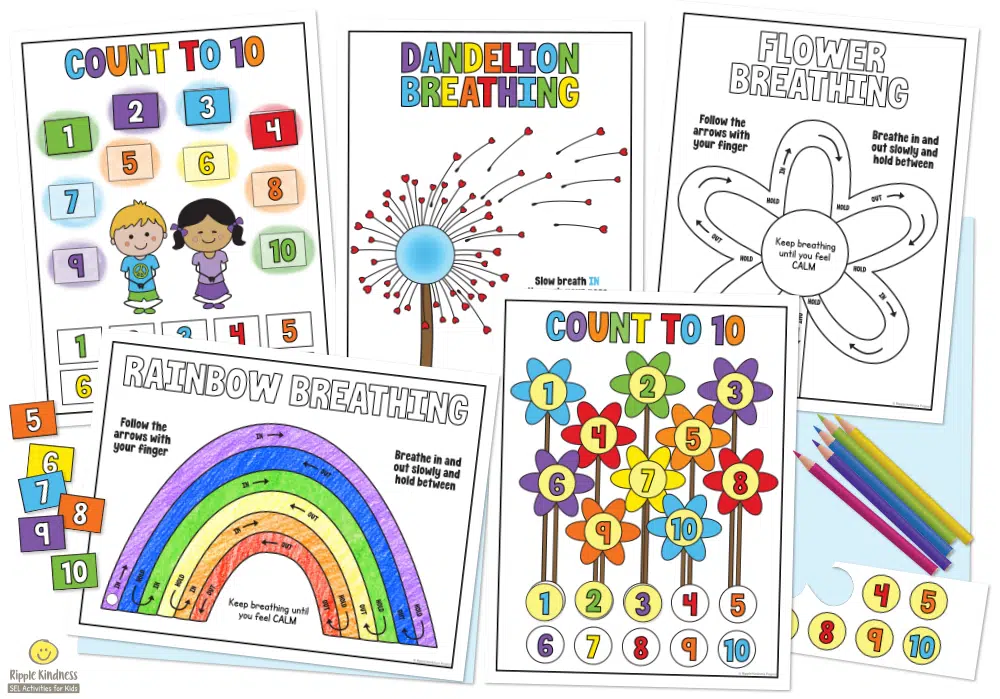
The goal isn’t to avoid anger, it’s to teach kids how to handle it without hurting others or themselves. When we focus on emotional awareness, self-regulation, and restorative practices, we’re not just reducing disruptions; we’re shaping stronger, more compassionate humans.
SEL Action Plan for Your Classroom
1. Story-Based Reflection
Extend the Lesson with a Read Aloud


2. Mindfulness Moments
3. Emotions Check-Ins
4. Repair & Apology Practice
5. Kindness Activities
Restoring the Community: A Visual Commitment to Kindness
The image of the scarred fence stays with students long after the lesson ends. It serves as a sobering reminder that once words are spoken, they cannot be taken back. However, it also opens the door for a conversation about how we choose to build our classroom community moving forward.
If you want to help your students move from understanding the damage of anger to actively practicing positivity, the Kindness Quilt Kit is the perfect restorative tool.
This collaborative project gives your students a hands-on way to define the supportive, inclusive behaviors you expect in your room.
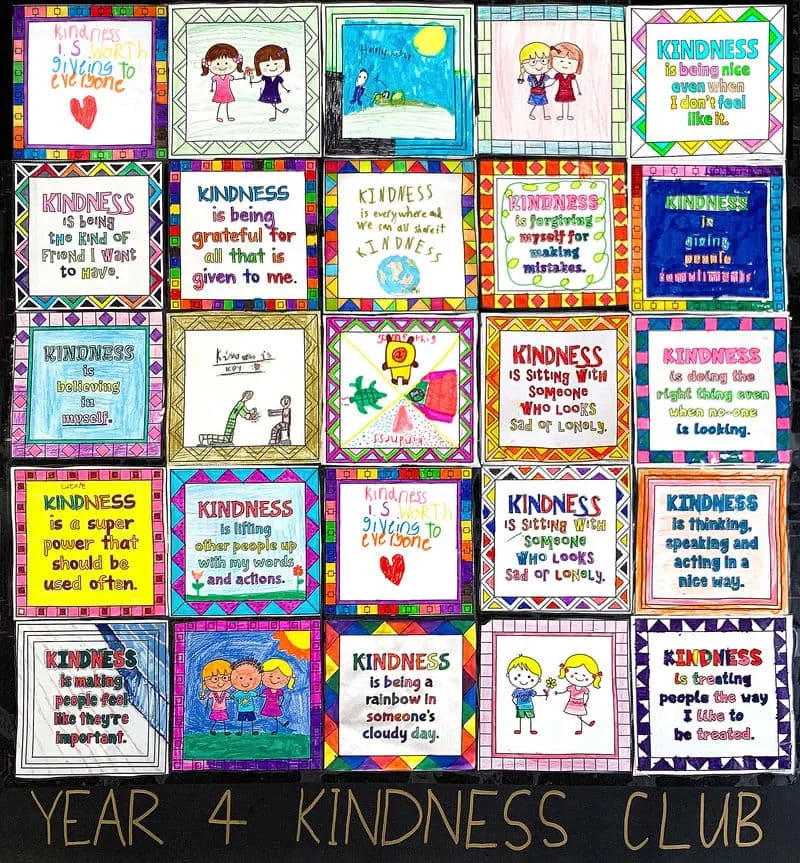
Every kindness quilt is one-of-a-kind, just like the kids who create it.
With ready-to-color pieces, blank templates, and a Google Slides version for digital classrooms, students can add their own quotes, drawings, or kind messages in a way that feels personal and meaningful. Some kids write affirmations, others doodle something cheerful, with every square offering a little piece of who they are.
When all the pieces come together, you’ll have a warm, visible reminder of the kindness growing in your classroom. It’s a display that makes students feel seen, proud, and part of something bigger. And it keeps kindness front and center all year long.
6. Other Stories & Activities
Nails in the Fence reminds us that words carry weight and that every moment is a chance to choose kindness. Whether you're guiding students through big emotions or modeling calm in your own classroom, this story offers a simple, lasting metaphor for emotional growth. By pairing it with mindfulness, reflection, and restorative practices, we help children build not just better behavior, but deeper empathy. And that’s the kind of ripple that changes lives.
Beyond the Fence: A FREE Collaborative Classroom Activity
While the lessons learned at the fence are powerful, the true transformation happens in the daily choices your students make afterward. Moving from a mindset of 'avoiding hurt' to 'actively building connection' is what turns a group of students into a supportive community.
To help your students solidify this new commitment to one another, I recommend starting a collaborative project that reminds kids of the behavior that lifts other up instead of tearing them down.
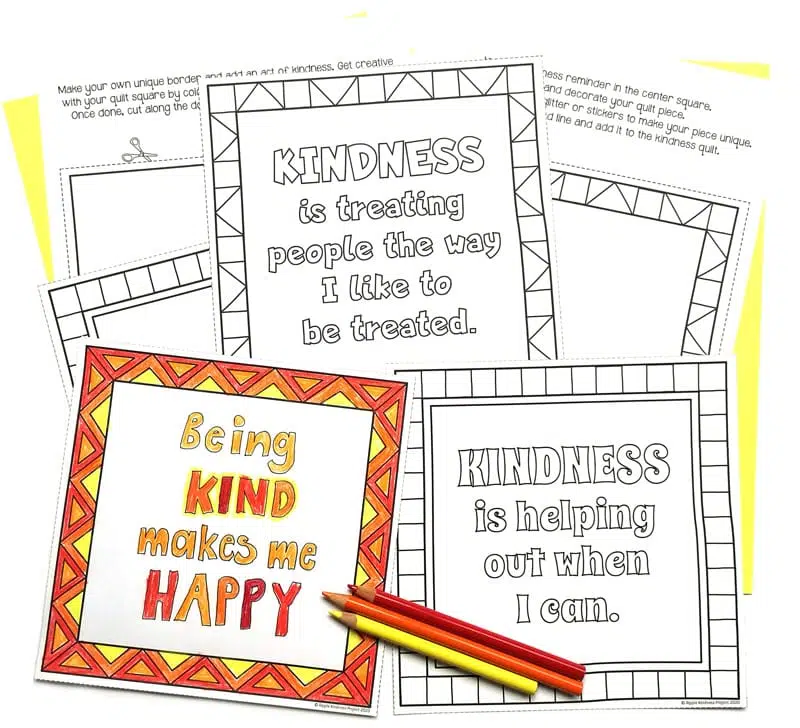
My guide on How to Make a Collaborative Class Quilt provides a roadmap for creating a stunning visual display of your class's collective kindness.
Download these Free Paper Kindness Quilt Square Templates below to take the first step in mending and strengthening your classroom community today!
Post updated June 9th, 2026

Lovely story and excellent moral!
I believe the original author for the story ‘Nails in the Fence’ is James Leath.
Hi Liz,
Thank you for your suggestion. I have searched to find who originally wrote this story. I know James has a copy on his website but all of my research to find out who penned it has turned up “author unknown”.
Enjoy your day.
Lis 🙂
The author is Annette Holliday Cornish.
Hi Sally,
Thank you for sharing.
Annette did write a book but she based it on a poem that she read by an unknown author, so as far as I’m aware, we still don’t know who the original author is.
Have a fabulous day!
Lis 🙂
What a beautiful story that really speaks to reality.
It’s a great lesson Mae. 🙂