
How To Make A Fun Paper Fortune Teller + Free Templates
Inside: Creative ways to use paper fortune tellers to boost learning, connection, and SEL in your classroom. Grab a free printable fortune teller template and see ready‑made versions you can use right away.
If you grew up in the 20th century, there’s a good chance you folded more than a few paper fortune tellers (aka cootie catchers or chatterboxes). They were everywhere when I was a kid and I still remember feeling pretty proud of myself for turning a regular piece of paper into a fun little fortune teller game to play with my friends.
More...
The ones I made back then were pretty basic. A few scribbled numbers on the outside and some quick fortunes under the flaps. These days, I realize just how much potential this simple game has for making all kinds of topics kids learn at school a whole lot more fun. And I’ve been doing my best to spread the word to make lesson planning easier for elementary teachers.
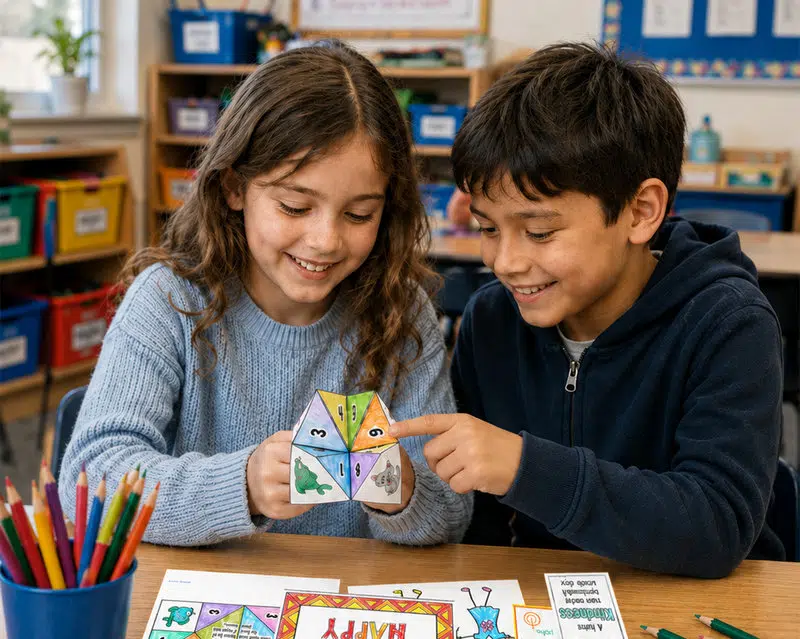
Paper fortune tellers are one of the easiest ways to bring hands‑on fun, SEL conversations, and quick engagement into your classroom. It doesn't matter whether you’re teaching kindness, coping skills, friendship, or academic reviews, these little origami crafts create instant excitement. In this post, you’ll find step‑by‑step folding instructions, classroom ideas, ready‑made templates, and a free printable fortune teller you can use right away.
DISCLAIMER: This post includes affiliate links. A small percentage of each sale from these links helps me provide tips and freebies for parents and teachers.
Teachers, counselors, and parents keep finding new ways to turn this classic paper craft into a hands-on learning experience. I’ve heard from teachers who use a kindness fortune teller during Kindness Week, others who pull out a get-to-know-you fortune teller at the start of the year, and some who use them for vocabulary review or even in one-on-one counseling sessions.
One teacher told me her students kept a coping fortune tellers in their desks and pulled them out when they felt anxious or frustrated. Another said her class loved them so much that many students begged to make more.
There’s something magical about watching students light up as they open a flap and find a message inside. Once you’ve seen that excitement, it’s hard to go back to worksheets alone.
Benefits of Using Paper Fortune Tellers
Fortune tellers are more than just a nostalgic craft. They’re a powerful learning tool that teachers keep coming back to. Here are some of the reasons why they love them:
Classroom Ideas for Paper Fortune Tellers
One of the best things about fortune tellers is how easily they adapt to whatever you’re teaching. Here are some of the ways teachers love using them:
Ready-made versions save a lot of time, especially when you want consistent language or age-appropriate prompts. And the blank templates and digital option (included in each kit) give you and your students complete freedom to create exactly what you need.
How to Make a Fortune Teller
A paper fortune teller is surprisingly easy to make once you get the hang of it. Here’s a simple step-by-step guide:
- 1Start with a regular letter-size piece of paper. Fold one corner down to make a triangle and cut off the leftover strip so you have a square.
- 2Fold the square in half both ways (horizontally and vertically), then open it back up so you can see the crease lines.
- 3Fold each corner into the center point. You should now have a smaller square.
- 4Flip the square over and fold the new corners into the center again.
- 5Fold the whole thing in half, then slide your thumbs and index fingers under the flaps to open it into the classic fortune teller shape.
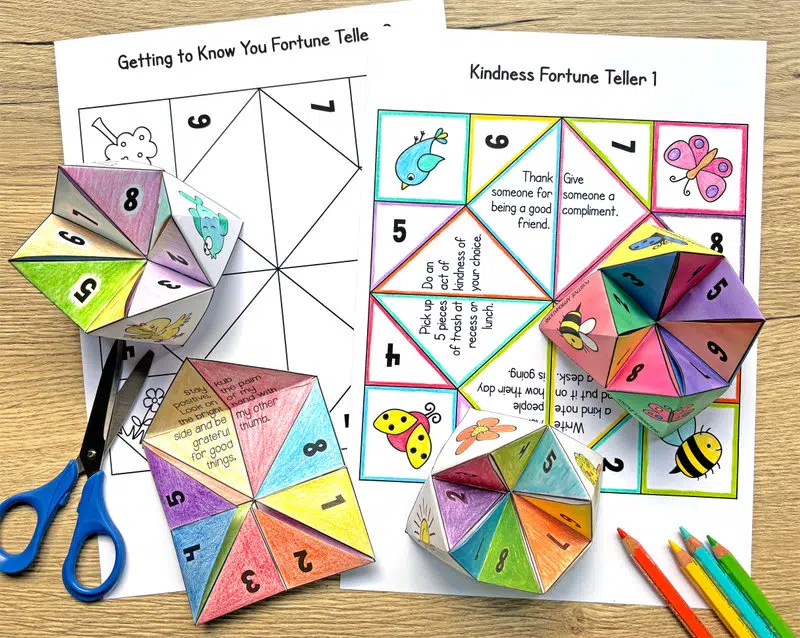
That’s it! Once it’s folded, students can write numbers, colors, or words on the outside flaps and add questions, prompts, or challenges under the inside flaps. Keep scrolling for fortune teller examples you can use in your classroom or home.
Ready-Made Paper Fortune Teller Templates
If you're looking for paper fortune teller ideas, or just don’t have time to create everything from scratch, I’ve put together a range of ready-to-use paper fortune teller printables that teachers swear by.
Each one includes:
Kindness Fortune Teller
Such a popular option for Kindness Week, friendship lessons, or anytime your class needs a gentle reminder about how we treat each other. Students practice empathy and positive actions while playing with their kindness fortune teller. Many teachers use these in morning meetings, small groups, or counseling sessions.
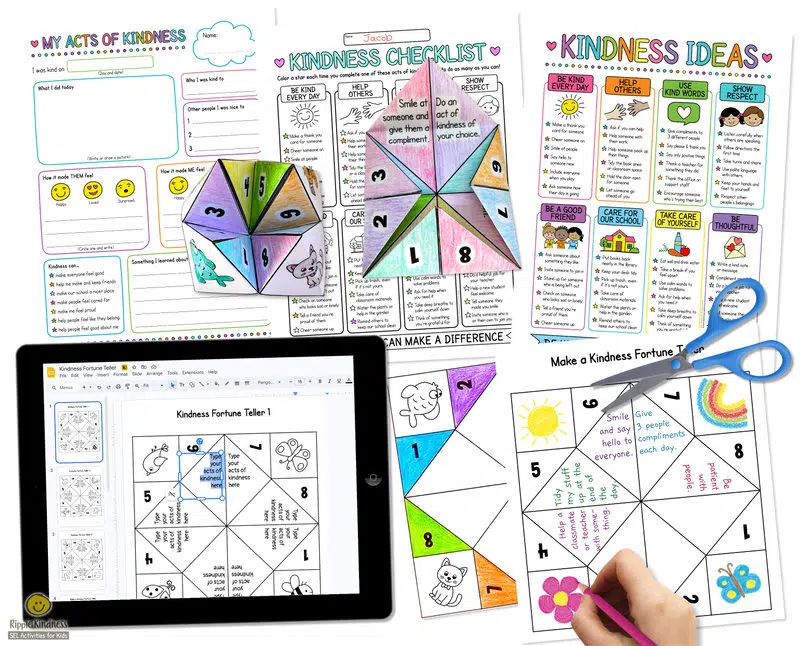
This comprehensive resource is designed to save you time while sparking serious creativity and excitement in your classroom:
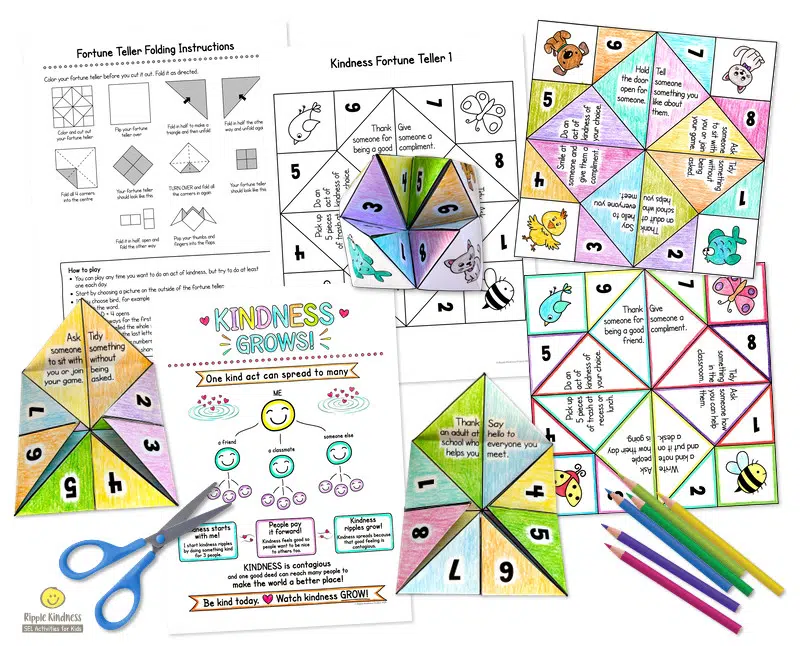
School counselors love using these for guidance lessons because the hands-on, tactile nature of the fortune teller makes talking about empathy and values feel low-pressure and fun for students of all temperaments.
What Teachers Say:
My students loved these chatterboxes! They love chatterboxes - full-stop! These ones are special because they relate to our learning on kindness, relationships, and wellbeing in the New Year.
Lyn C - 2nd Grade
My students enjoy making the craft and it is very nostalgia for me. It is easy to make using the directions included. I like how some are prefilled and others are able to be written on with the ideas you come up with together. This has worked well one on one and as a small group.
Growing Grit and Giving Grace - 1st, 2nd, 3rd, 4th Grade
Love LOVE LOVE! Used in individual counseling lessons with multiple students, boys and girls. They all have loved this resource to promote kindness in the building.
Dakota S - 4th Grade
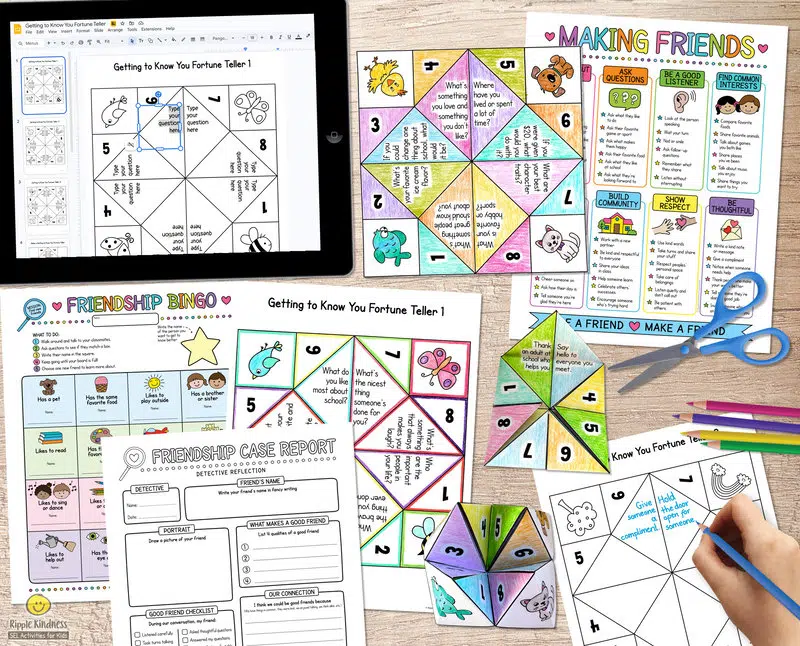
Get to Know You Fortune Teller
A favorite for the start of the year or when new students join, these get to know you fortune tellers help kids practice asking questions, finding things in common, and building classroom community in a low-pressure way.
This set makes connecting feel easy and fun:

This friendship activity is an easy way to practice reading, speaking, and listening while students develop confidence and communication skills.
It also improves comprehension, problem‑solving, and concentration as they carefully follow the steps to fold their paper fortune teller.
What Teachers Say:
My students loved making these fortune tellers, and were very excited to use them repeatedly, thereby drilling in the message I was hoping they would get from our lesson:) Win win!
Melissa S - 2nd & 3rd Grades
My students love making fortune tellers-and what a better time than during the beginning of the year as a get to know you activity-they loved it!
Lori L - 3rd Grade
I loved that I could personalize this resource! I used this in one of my observations, as a counselor, and was able to have something creative and fun to show off.
Diana R
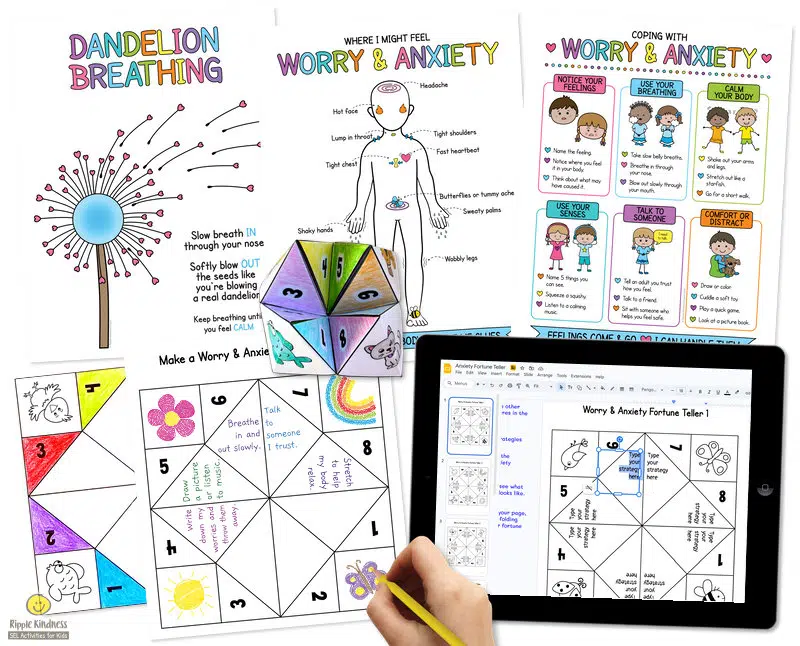
Stress & Anxiety Fortune Teller
This anxiety fortune teller focuses on simple coping strategies. Teachers often keep a few in calm-down corners or let students store them in their desks to pull out when they start feeling overwhelmed.
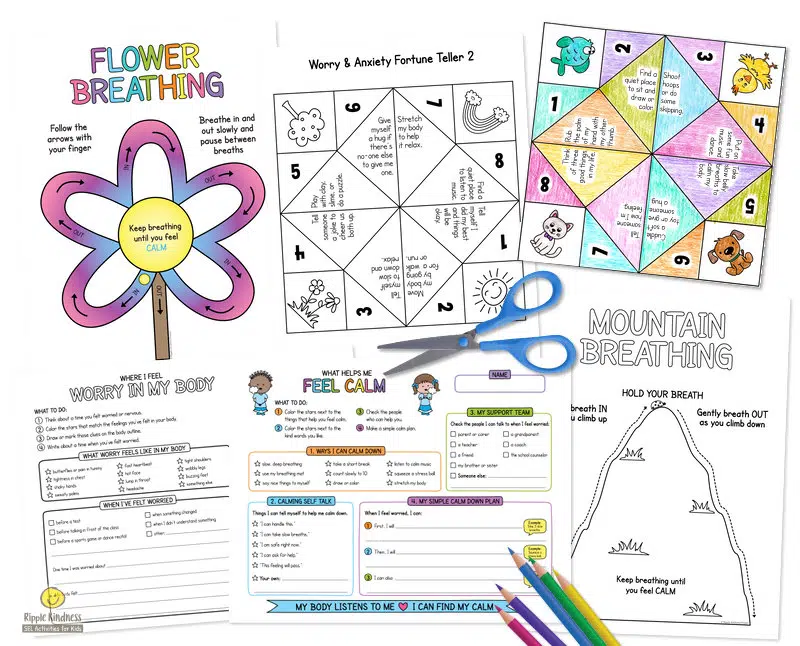
This stress and anxiety activity gives kids a simple, hands‑on way to practice calming strategies while building confidence in managing their emotions. As they fold and use their fortune teller, they strengthen fine‑motor skills, follow‑step sequencing, and learn to slow down and focus to support emotional regulation. It’s an easy, meaningful tool that helps kids reset, breathe, and regain control when big feelings show up.
What Teachers Say:
My students loved these and the prep was super easy!
Monique O - 4th & 5th Grades
My students loved these fortune tellers. It's a great way to have fun while reviewing coping skills. I liked that there were options for pre-filled fortune tellers with coping strategies, or students could write their own in. I also found the addition of the suggestion sheet helpful!
Leah R - 3rd & 4th Grades
My students had so much fun with this activity and pulled it out of their desks when they felt anxious and/or frustrated
Beth E - 5th Grade
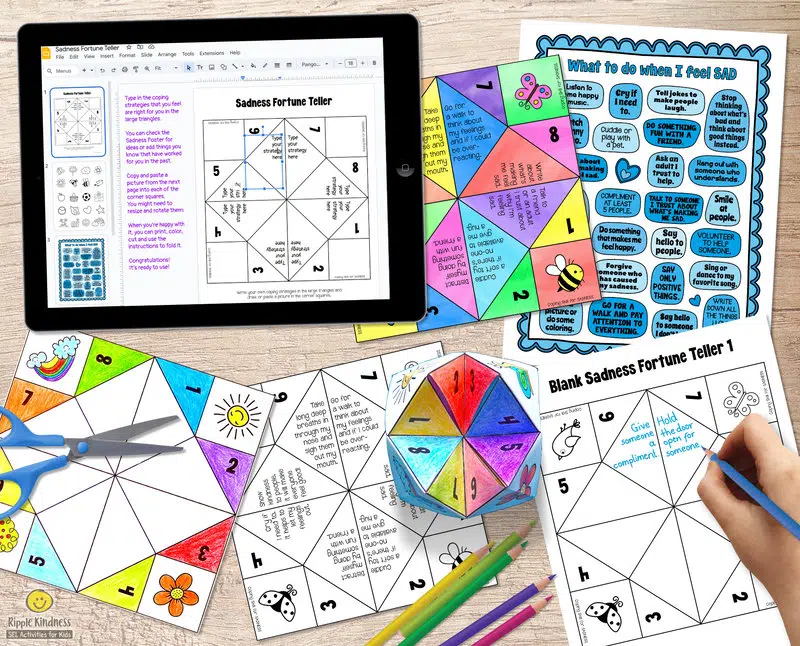
Sadness Fortune Teller
A helpful option for students who need support managing sadness or big emotions. This sadness fortune teller teaches coping skills in a hands-on, engaging way that feels more like a craft and game than a lesson. Teachers use it during mental health awareness activities, in counseling groups, or as part of a calm-down corner to help students build emotional resilience.
This resource keeps students engaged while giving them practical strategies they can use throughout their lives:
What Teachers Say:
Thank you! This resource was well made and my kids had fun using the fortune teller.
Passionate Prairie Pupils - 1st, 2nd, 3rd, 4th Grades
I incorporated this resource during our mental awareness spirit week and students were able to learn about coping skills for when feeling sad. They really enjoyed these!
Sandra R - 3rd Grade
An engaging activity that allowed students to explore and identify their calming strategies.
Happy Little Elementary Teacher - 3rd Grade
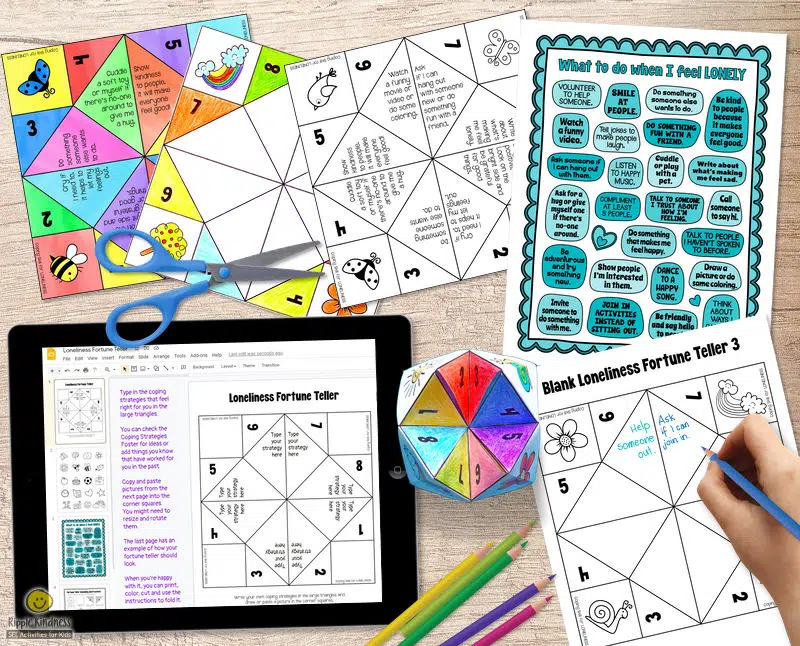
Loneliness Fortune Teller
A supportive option for students who struggle with feeling lonely or left out. This loneliness fortune teller teaches confidence‑building coping strategies through a fun paper craft that feels more like a game than a lesson. Teachers use it during back‑to‑school transitions, SEL lessons, counseling groups, or in calm‑down corners to help students strengthen emotional wellbeing and nurture friendships.
This resource keeps students engaged while giving them practical tools to feel more connected:
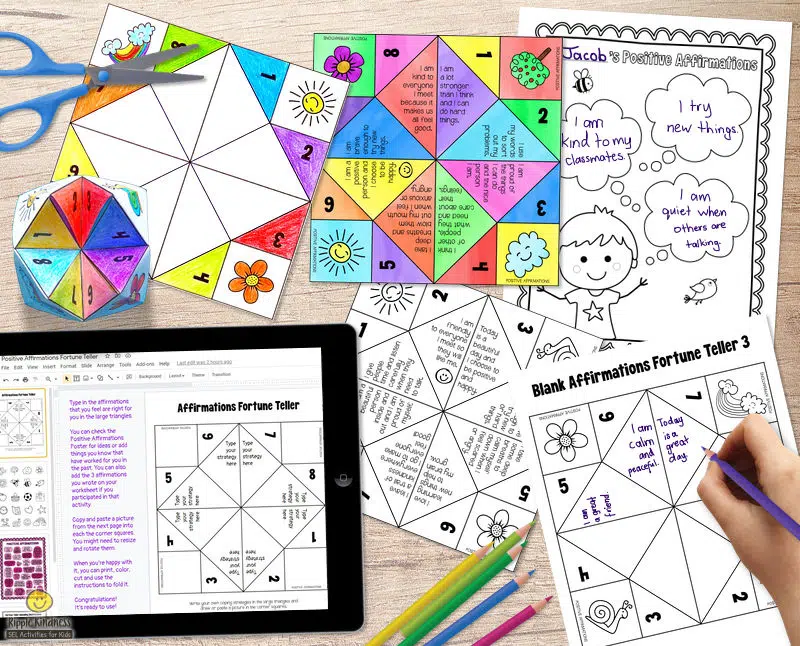
Positive Thinking / Affirmations Fortune Teller
A supportive option for kids who need help building confidence and shifting negative self‑talk. These positive affirmations fortune tellers teach mindset skills in a hands‑on, engaging way that feels more like a craft and game than a lesson. Teachers use it during SEL lessons, counseling groups, or as part of a calm‑down corner to help students practice positive thinking and emotional resilience.
This resource keeps students engaged while giving them practical strategies they can use throughout their lives:
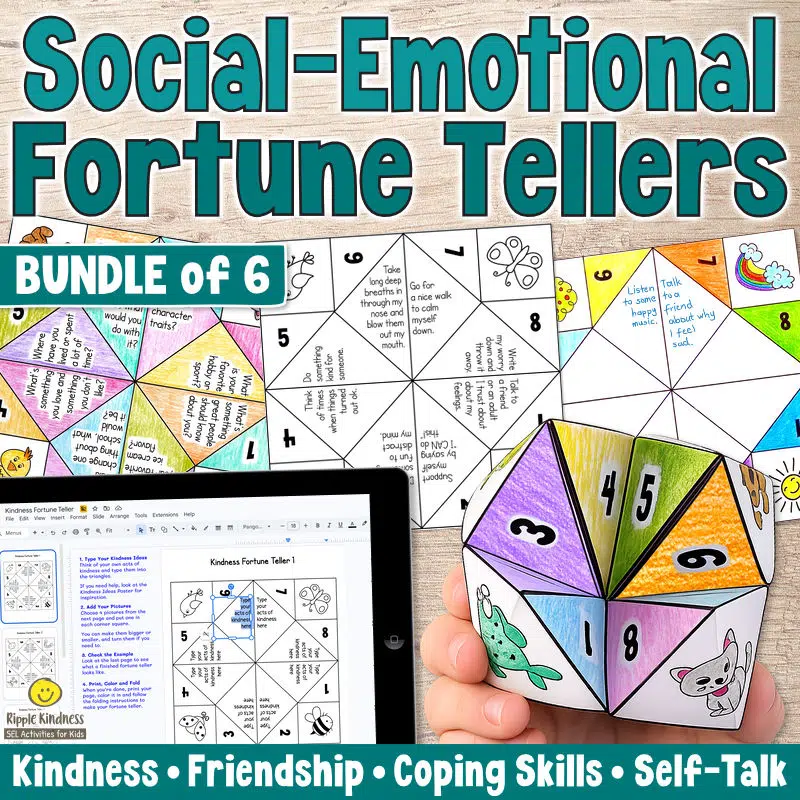
SEL Fortune Teller Bundle
When you see the engagement and excitement fortune tellers create, don't stop there. You can take advantage of these fabulous teaching tools with a fortune teller bundle that includes six SEL themed games at a discounted price.
They’re all designed to be low-prep and flexible, so you can use the ready-made versions or let students personalize their own.
Free Blank Fortune Teller Templates
If you want complete flexibility or just want to try them out, grab this free set of templates. They let you or your students create a fortune teller for any topic you're working on, like vocabulary, math facts, science review, or goal setting - pretty much an subject you want to make more fun. These blank versions are great for learning just how much fun kids have playing with these games and how engaged they are while learning.

Tips and a few things I wish I’d known sooner
After using paper fortune tellers for a while (and hearing from other teachers), here are the little things that make them run more smoothly:
Common Pitfalls & Easy Fixes
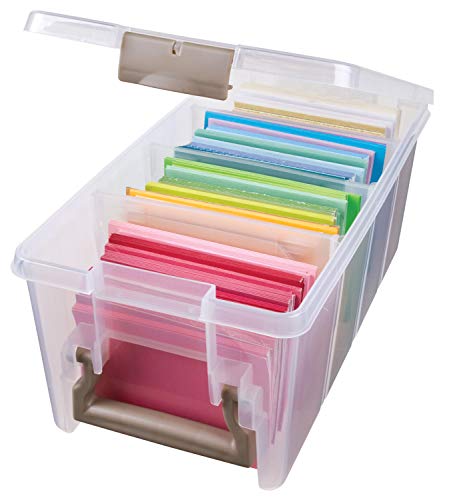
Storage Ideas That Actually Work
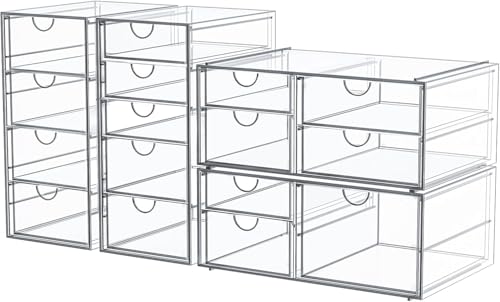
Paper fortune tellers are small, fragile, and easy to lose. A simple storage system makes it easy to quickly find the topic you're looking for and keeps folded games intact ready to use again.
Here are a few teacher‑friendly ways to keep your templates and finished cootie catchers organized and safe:

A Few Unique Ways to Use Them
Most people use regular-sized fortune tellers for partner games or independent work. Here are two ideas that go a bit further:
Paper fortune tellers have stayed popular for a reason. They’re simple, flexible, tactile, and feel special to students. Teachers see them as a welcome alternative to technology as they give kids a chance to learn through play in a way paper or digital worksheets rarely manage.
If you’d like to try one, download my free blank paper fortune teller template to use right away with just about any subject. It includes two templates (with and without numbers), visual and written folding instructions, and a list of ideas to help turn everyday subjects into more engaging learning.
I hope they bring a lot of fun and connection to your classroom. If you end up using them, I’d love to hear how your students responded and the creative ways you found to make your lessons more special.
You may also like...

AUTHOR: Lisa Currie - Ripple Kindness Project
For over a decade, I've focused on promoting kindness and Social and Emotional Learning (SEL) in elementary classrooms. Through hands-on experience supporting students, I've seen how empathy and respect are vital for creating harmonious, inclusive environments. I'm passionate about helping students understand the impact of their emotions and actions on their relationships. I believe kindness is fundamental to fostering self-confidence and happiness while building inclusive, safe classroom communities that discourage bullying and exclusion.