
Free Meditation & Mindfulness Activities for Elementary Students with Anxiety
Inside: See why mindfulness and meditation can be so effective in the classroom and download free mindfulness activities for elementary students for an easy start to your meditation practice.
Many children are still feeling the effects of isolating and distance learning years after COVID‑19. In Melbourne, we had some of the strictest lockdowns in the world, and kids really felt that lost connection with family, friends, and teachers. Overwhelm and uncertainty were very real at the time, and it highlighted a need for easy coping strategies, one of the most effective being mindfulness meditation.
More...
Many teachers began using mindfulness meditations in their classroom to support stressed or anxious students. Back then, it gave them a way to cope with big feelings and challenging situations, but this ritual has continued because it's such an effective relaxation technique and a gentle way to curb anxiety or angry outbursts.
Mindfulness activities for elementary students are an effective way to create a calm, peaceful learning environment and improve focus and concentration. Grab the easy exercises and short meditations below for a stress free introduction.
DISCLAIMER: This post includes affiliate links. A small percentage of each sale from these links helps me provide tips and freebies for parents and teachers.
Why is Mindfulness Important for Students
Mindfulness and meditation aren’t just calming little moments in the day. There’s now solid research showing they genuinely help kids feel better, cope better, and learn better.
If you're teaching at home and the kids start getting fidgety, mindfulness apps or short meditations can work wonders as little sanity breaks between lessons. They help everyone reset and come back to learning with a clearer head. Even something as simple as stepping outside to blow bubbles for a minute or two can calm the whole mood. These tiny brain breaks really do make a world of difference for them and for you.
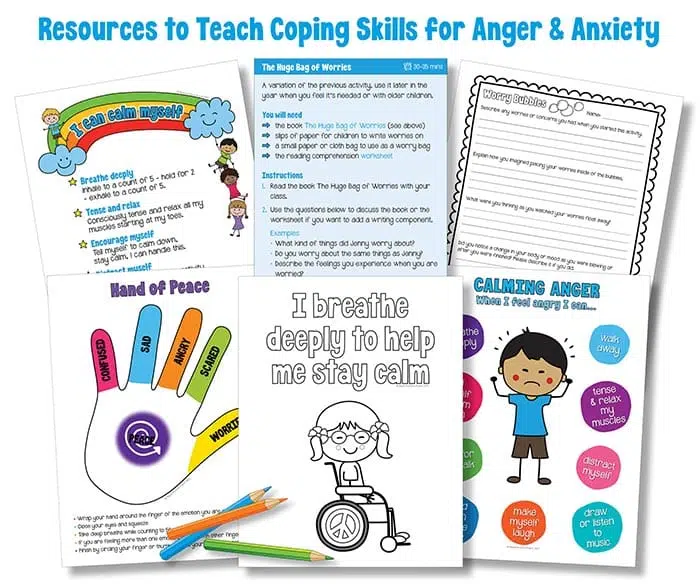
These Coping Resources Teach Kids Easy Ways to Calm Themselves

Meditation for Kids
Meditation has been shown to be highly beneficial for people of all ages. Studies keep confirming what many teachers and parents already see in real life: regular meditation helps with wellbeing, focus, and compassion. Kids respond to it just as positively as adults do.
Meditation used to be something we mostly associated with adults, but more schools are now weaving it into their daily routines. When children learn to slow down and take part in a peaceful activity like this, the benefits are huge. And it definitely doesn’t need to stay in the classroom. Home is the perfect place to build these little calming habits too.
It can feel a bit daunting when you’re first getting started, but give yourself time to settle into it. It’s a new routine and sometimes a surprisingly magical one. If it doesn’t feel natural the first few times, don’t worry. Just keep going. Like anything worthwhile, it gets easier with practice.
What is Meditation?
Meditation is simply sitting quietly and turning inward to calm the mind. Think of it as gentle exercise for the brain. It helps kids focus, feel less anxious, and manage stress more easily. When they practice regularly, it can even help rewire the brain in positive ways.
Teaching Kids to Meditate
There’s no one “right” way to meditate. Some kids like structure, while others do better when they can relax into it without too many rules. You might need a little patience at the start, but the results are so positive that you’ll wonder why you didn’t try it sooner.
Explain to kids that meditation is all about their breath, which means they can do it anywhere. Ask them to find a quiet, comfy spot where they won’t be disturbed. Once they’re settled, they can close their eyes and simply pay attention to what's happening inside as they do some deep breathing. Their mind will wander (everyone’s does), but when they notice it drifting, they just gently bring their focus back to their breath.
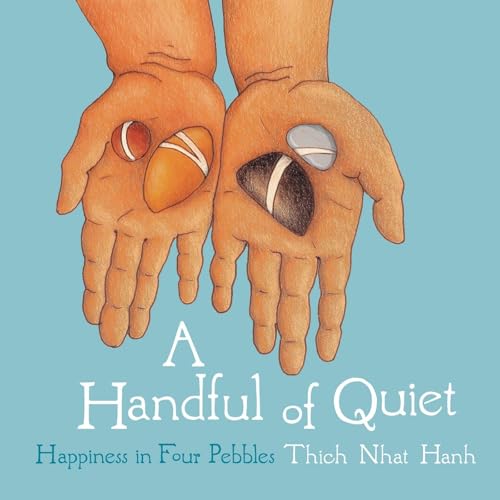
Books that Help Students Learn About Mindfulness


You can talk them through the first few sessions or play a short guided meditation like the one below from Meditation Channel. Kids often respond really well to a calm voice helping them along.
Once they’ve tried a few deep breathing meditations, you can branch out into other guided practices. There are some lovely ones out there that help kids relax their bodies, use their imagination, or tune into their senses.
ACTIVITY 1 - Mindful Chocolate Meditation
If you’re worried the kids will groan at the idea of doing a meditation, this one usually wins them over. It involves chocolate, so it’s always a hit. You can use it as a treat after good work or as a fun way to encourage a little extra effort.
You’ll need one piece of chocolate per child. Read the steps slowly and ask them to answer the questions silently in their mind.
Instructions
You will need a piece of chocolate for each child and to read through the instructions as you go.
Give each child a piece of chocolate and ask them to answer the questions you ask in their mind only (no talking).
- 1Take a few slow breaths right down into your belly.
- 2Look closely at your chocolate. Notice the color, texture, size, and smell. Are you feeling impatient or excited to eat it?
- 3Notice any emotions that pop up. Is your mouth watering? Do you feel excited or maybe a little guilty? Explain that once the chocolate goes into their mouth, they’re not to chew it yet.
- 4Close your eyes and place the chocolate on your tongue. Notice the flavors.
- 5Notice how it feels as it starts to melt on your tongue and flows onto your teeth.
- 6Move it around your mouth and see if it tastes different in another spot.
- 7Notice the saliva building and the urge to swallow.
- 8When it’s fully melted, let it slowly slide down your throat.
- 9Notice the aftertaste of the chocolate.
- 10Open your eyes.
You can finish with a short chat about what they noticed and whether they enjoyed the chocolate more by slowing down. It’s a lovely way to introduce mindful eating.
Challenge them to slow down when next eating something to be present while they chew and notice the flavors and texture.
Mindfulness for Kids
People sometimes wonder whether mindfulness is useful for children, but it’s been used in schools for years with great success. Mindfulness helps anxious kids feel calmer, reduces stress, and creates a sense of peace. Once they’ve recentered themselves, they’re more able to focus and stay motivated.
What is Mindfulness?
Mindfulness is simply slowing down enough to tune in to the present moment. It helps kids notice their thoughts and feelings without getting caught up in them. Over time, this builds self‑awareness and emotional strength.
Meditation is actually a form of mindfulness, which is why you often see the two words together. They work beautifully hand in hand.
You don’t need any special equipment to get started. Whether you’re teaching online or sitting at the kitchen table, mindfulness can happen anywhere. And the bonus is that you benefit from it too.
Give Students in K-2nd Simple Ways to Cope with Big Feelings!
Teaching Kids to be Mindful
Whether you're teaching online or a parent at home, you're already equipped to get started. Mindfulness can be done wherever you are without the need for any special equipment and the bonus of teaching it is that you're also benefiting from this healthy and relaxing activity.
Meditation is also a form of mindfulness. You'll often see the words together - mindfulness meditation - as the two go hand in hand.
There are many ways to introduce mindfulness but let's start with something easy that kids can do either inside or outside.
A Free Mindful Kindness Coloring Activity

ACTIVITY 2 - Mindful Observation
This is a lovely sensory activity that helps children stop, look, and really notice what’s around them. It can be done inside or outside, in familiar or new environments.
Ask children to sit comfortably and take a few deep breaths. Explain that they’re going to focus on their sense of sight. They’ll quietly observe 3 to 5 things in the space around them and keep their observations in their mind. Counting each item on their fingers can help them remember.
For younger children, stick to one item at a time.
Remind them to look closely at each object. Notice the color, size, shape, and texture. Is it heavy or light, hard or soft, rough or smooth?
Give them two minutes to observe silently.
If you’re working with a group, form a circle afterwards and let everyone share what they noticed. Kids are often surprised by details they’ve never seen before, even in familiar places.
You can repeat this activity using other senses like hearing, touch, or smell. With practice, mindful observation becomes a natural part of how kids move through the world.

Free Mindfulness and Meditation Apps
If you want to take mindfulness and meditation a little further there are some wonderful apps you can use to help calm your world.
Download a FREE Loving Kindness Meditation Recording
This free audio file is a simple loving kindness meditation you can use in your classroom or at home with your children. You can read more about this type of meditation and and why it’s so helpful for kids HERE.
You can read the printable instructions or just press play on the recording and let it guide your students through the practice. I should warn you though… I’m from Australia, so your kids might have a little giggle at my accent.
Do you have some easy mindfulness or meditation activities that your kids love? Please share them here and I'll include them in this post.

